

In a recent discussion with a colleague from the insurance sector, a striking analogy emerged: branding is like a pillar resting on a foundation. If the foundation is strong, the pillar stands tall; if weak, it crumbles. For insurers, the truest test of this foundation comes at the moment of a claim—often within the walls of a customer’s home following a loss.
This moment is the “real” brand experience for customers. Over the past few months, through forums and discussions with insurers and brokers, a critical insight has surfaced: during a claim, customers have an inherent, unspoken expectation of protection from their insurer. This sense of protection forms the bedrock of trust and brand strength.
The Customer’s Perspective: Empathy and Understanding
Stepping into the shoes of a customer who has suffered a loss is a powerful exercise. Imagine your life abruptly interrupted—your kitchen, hallway, and bedrooms submerged in water. It’s overwhelming, and everything else comes to a halt.
This emotional and logistical chaos highlights the importance of understanding the insured’s perspective. It’s about acknowledging their fears, listening to their concerns, and making them feel seen and heard. Such empathy transforms the insurer-customer relationship, particularly during claims when emotions run high.
The Three Pillars of Protection in Claims
From our perspective as a first response service provider for our insurance partners, protection during a claim can be distilled into three key areas:
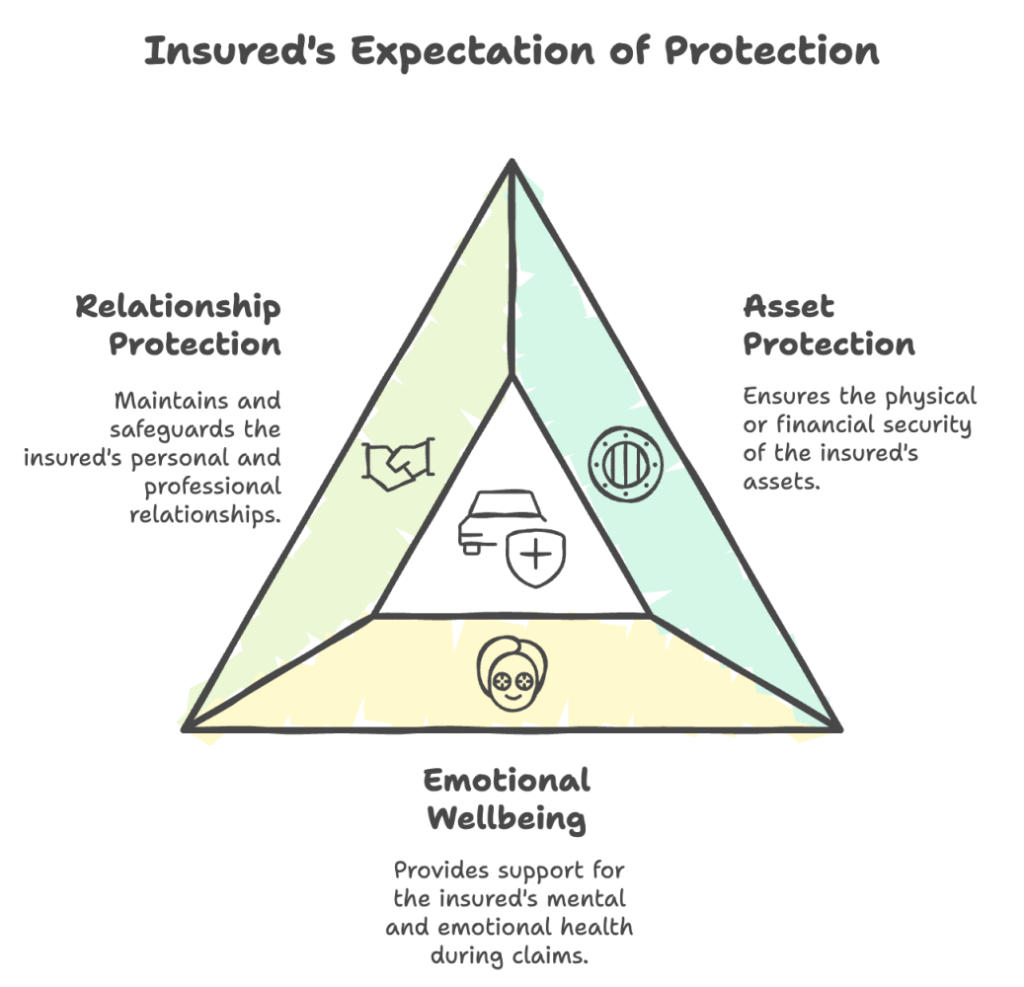
1. Protection of the Asset
The most apparent form of protection is safeguarding the property itself. Whether dealing with water, fire, or mould damage, swift and effective action prevents further deterioration and mitigates financial losses. Without a focus on asset preservation, the costs—for insurers, insureds, and the community—can escalate rapidly.
2. Emotional and Mental Wellbeing
Less obvious but equally vital is the emotional and mental health of customers. Consider Glenn and Judy, a couple in southwest Sydney whose home was affected by mould contamination. Judy, in her final trimester of pregnancy, had to vacate the property with her young family. This disruption was compounded by the logistical challenges of temporary housing and daily school commutes.
For families like Glenn and Judy, insurers and restoration teams must provide reassurance and minimize stress. The goal isn’t just to resolve the claim but to restore a sense of normalcy and security.
3. Protection of Relationships
Claims involving commercial properties add another layer of complexity. For instance, a childcare center south of Sydney faced significant mould contamination, forcing its closure. This impacted not only the center’s staff but also parents scrambling to find alternative childcare.
In such cases, the insurer’s role extends beyond physical restoration. It’s about protecting the insured’s relationships—with customers, employees, and the broader community. Effective claim handling can preserve trust and goodwill, which are critical for businesses to recover.
Claims are often described as the “moment of truth” for insurers. However, they’re more accurately a series of moments—interactions, decisions, and experiences—that collectively shape the insured’s journey. Every touchpoint is an opportunity to build trust, demonstrate care, and strengthen the foundation of the brand.
Building a Stronger Foundation
Ultimately, the claim experience defines the foundation of an insurer’s brand. It’s not merely about settling claims; it’s about making a net positive impact on the lives and communities affected by loss. Insurers and restoration teams that understand this dynamic create lasting value, not just for their customers but for their own reputations.
“These moments and experiences for the customer are what really matter. They will either build the foundation for the brand or shake it away.” The insurance industry has a unique opportunity to transform loss events into moments of service and care, reinforcing the trust that forms the cornerstone of every strong brand.